The Myth That Every Rice Dish Starts with the Same Grain
Choosing rice for a dish means matching its texture and cooking method to the meal, helping you make sensible substitutions without losing the dish’s character.
The common mistake is treating rice as a neutral filler; the cost is losing the texture and identity that make a dish recognisable. Choosing rice for a dish means asking what role it has in that particular food tradition, not sorting every grain into a universal texture chart.
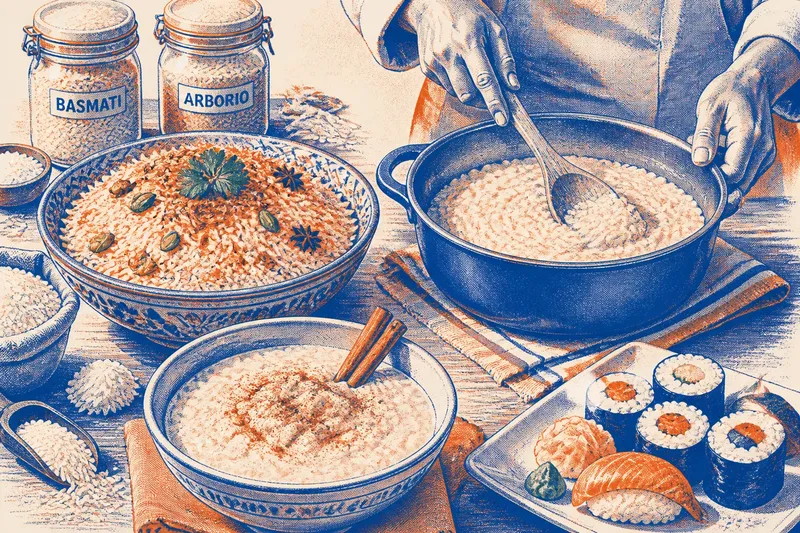
Imagine you are planning a meal with a pilaf, rice pudding and risotto on different days. Your cupboard holds basmati and arborio. The useful question is not simply which rice stays separate or turns creamy, but which dish gives each grain its meaning, and what changes if you adapt the recipe.
What makes rice part of a dish’s identity?
In many food traditions, rice is more than a vehicle for sauce. Its name, aroma, shape, cooking method and place in a meal can all matter. Basmati, for example, is closely associated with South Asian cooking, while sushi rice is prepared to cling for shaping. Arborio is familiar in Italian risotto, where stirring and gradual additions of liquid help create a creamy dish.
These associations are useful clues, not boundaries around what a cook may do. Recipes travel, ingredients vary by place, and households adapt to what is available. But replacing a named rice can change more than texture: it may alter aroma, the way the dish is served, or the expectations that come with its name.
Before substituting, read the recipe as a whole. Look at the rice name, the cooking method, the accompanying ingredients and how the finished dish is meant to be eaten. A recipe asking for rice to be shaped by hand has different needs from one where it sits beneath a stew.
How should you decide whether a swap fits?
Use this short check before opening another bag:
- Check whether the recipe names a particular variety. If it does, use it when the dish’s aroma or customary character depends on it; otherwise, compare the cooking method and intended result before substituting.
- Check how the rice is cooked. If the recipe relies on frequent stirring, choose a rice suited to that method; if it cooks covered and undisturbed, follow the recipe’s directions for the rice you have.
- Check the desired role on the plate. If the rice must hold a mould or cling to a filling, choose a suitable sticky type; if it is served beneath a saucy dish, a less exact match may be acceptable.
- Check the flavour of the other ingredients. If the rice’s aroma is a defining part of the dish, keep the named variety; if bold spices or sauce lead, decide whether a different aroma would still suit your meal.
- Check the packet’s description and cooking instructions. If they suit the recipe’s method, proceed with those directions; if they conflict, choose another recipe or rice rather than assuming the grains behave alike.
- Check whether the dish depends on a customary serving or shaping method. If it does, keep the rice that supports that use; if not, decide whether a change in grain feel is acceptable at your table.
Say you have a hypothetical cupboard with basmati and arborio, and a recipe for a fragrant pilaf that names basmati. You check the recipe: it cooks the rice covered with aromatics, and its aroma is part of the dish’s character. You keep the basmati for the pilaf and reserve arborio for a risotto recipe; the resulting choice preserves the pilaf’s intended aroma while avoiding an unnecessary swap. If basmati were unavailable, you could choose another rice whose packet and recipe method suit the covered cooking, while accepting that the aroma and grain character may differ.
Which rice fits these familiar dishes?
Specific examples make the decision easier, provided they are treated as common pairings rather than rigid rules.
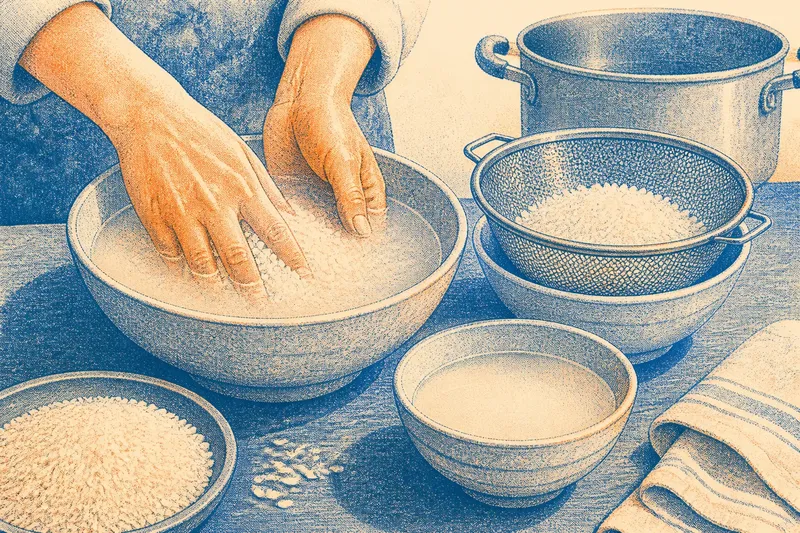
- Pilaf: Basmati is a common choice in many versions, valued for its aroma and distinct grains. Follow the recipe’s rinsing, soaking and cooking directions, since methods differ.
- Risotto: Arborio is widely used, and other risotto varieties may be specified by a recipe. A substitute may still make a satisfying rice dish, but the creaminess and grain texture can change.
- Rice pudding: Pudding rice or another short-grain type is often used for a soft, cohesive result. Check the recipe’s liquid and doneness cues rather than borrowing timings from a different rice.
- Sushi: Use rice intended for sushi when the grains need to cling for shaping. A fluffy long-grain rice will not give the same handling or eating experience.
These pairings help explain why a recipe names its rice. They do not mean that only one grain can produce a worthwhile meal; they help you understand which parts of the result may change.
What do rice labels tell you?
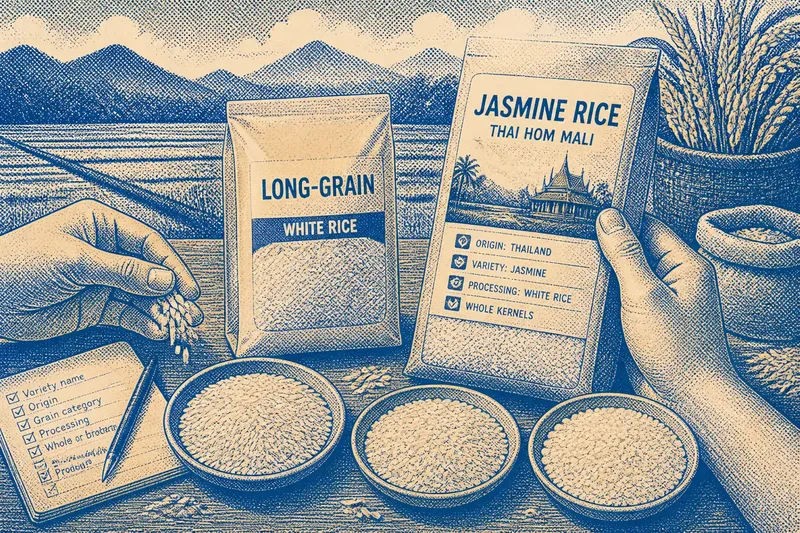
A label might name a variety, describe a broad grain category or suggest a use. “Long grain” is a broad description; “arborio” identifies a particular rice commonly used for risotto; “pudding rice” points towards a familiar use. Those terms are not interchangeable, and a use label does not replace the packet’s cooking directions.
Compare the packet with the recipe. If the recipe names a variety you cannot find, check whether it also describes the expected method and result. A recipe for sushi, for instance, signals a rice that clings enough for shaping; one for a fragrant pilaf may depend on the aroma as well as separate grains.
Local shops and markets may carry names that differ from those in a recipe written elsewhere. Ask a knowledgeable grocer about a locally available equivalent, then consider whether the recipe’s cooking method suits it. For a dish tied to a particular community or tradition, a cookbook from that tradition can clarify how the rice is chosen and served.
What do cooks ask about choosing rice?
Can one rice work across several cuisines?
Yes, but the dishes may not retain the same aroma, texture or customary character. Match the rice to the recipe’s method and decide which differences you are happy to accept.
Can you use long-grain rice for risotto?
You can use a risotto-style method, but the result will differ from one made with rice commonly used for risotto. If the dish’s creamy character matters, choose the variety named in the recipe when available.
What can replace basmati in a pilaf?
Choose a rice that suits the recipe’s covered cooking method and the separate-grain result it seeks. Expect the aroma to change if the substitute lacks basmati’s characteristic fragrance.
Does the rice name on a packet settle the choice?
No; it is one clue alongside the cooking directions and the recipe’s purpose. If the packet and recipe suggest incompatible methods, choose a different rice or adapt the dish knowingly.
How can you keep substitutions respectful and practical?
When a recipe belongs to a food tradition you are less familiar with, learn what the named rice contributes before replacing it. A swap may be perfectly workable for your supper, but describing the result accurately matters: a rice dish adapted to your cupboard is not necessarily the same dish in every detail.
For a flexible everyday meal, use what you have and be clear about the trade-off. For a dish whose rice carries its aroma, shaping or cultural character, take the extra time to find the intended type or ask someone familiar with the tradition. Choosing rice for a dish becomes easier when you decide not only how the grains should cook, but what you want them to mean on the plate.